

What the city is
Vietnam's capital is a thousand years old and wears it badly in the best way: a French grid laid over a medieval trading quarter, with the whole thing now running on motorbikes. The part worth walking is roughly one square kilometre.
How many nights
Two is the working minimum — one to arrive and sleep, one to see the city. Three if you want a day without a schedule, which Hanoi rewards more than most capitals.
What is actually worth the time
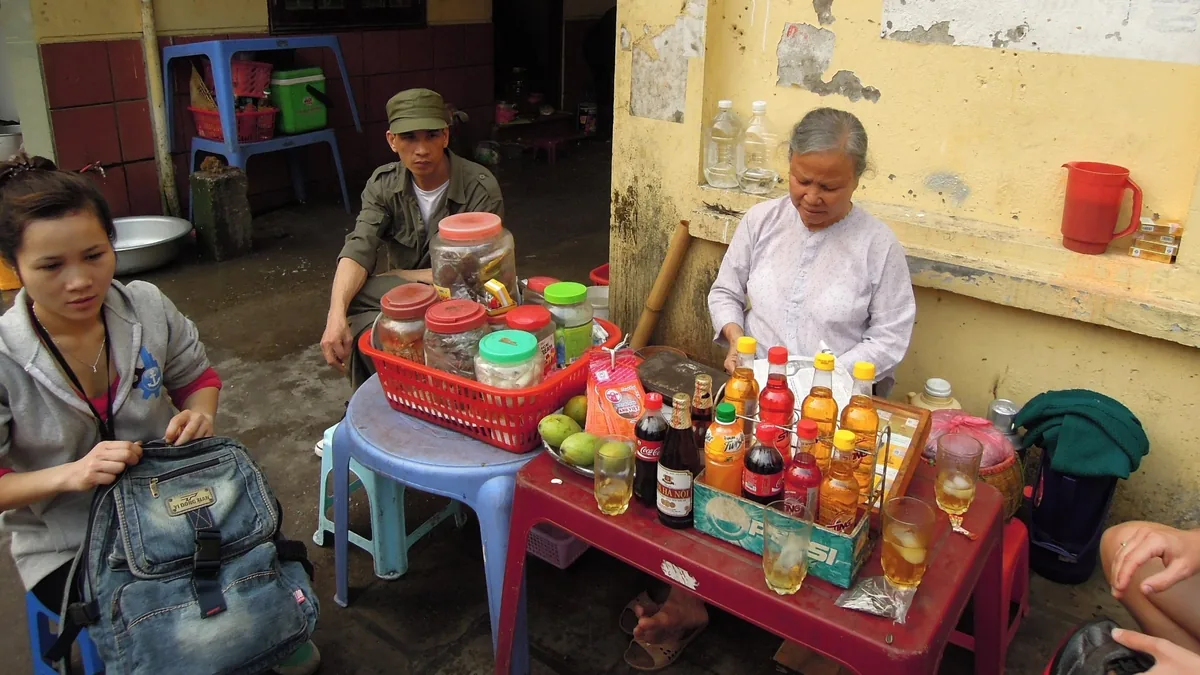
The Temple of Literature, the thousand-year-old Confucian academy. The Ho Chi Minh complex, which is a state ritual as much as a monument. And the thirty-six streets, where the trades are still grouped — one street of tin, one of votive paper, one of shoes.
When not to come
June to August is hot and wet in roughly equal measure. February can be grey and drizzly for a week at a time — locals call it the damp, and it defeats cameras.
What sits near it
- It is the arrival airport for the north, so nearly every route starts or ends here.
- Ha Long and Lan Ha are two and a half hours east — near enough for the bay to be a two-day extension rather than a separate trip.
- Ninh Binh is two hours south and gives you the same limestone without the boat traffic.
Every route we run is private, so any of these can be added or dropped before we book anything.